

The Hidden Costs of SaaS Sprawl for Growing Businesses
Growing businesses often add new software tools to their operations without a clear plan. This gradual buildup of applications, known as SaaS sprawl, can create serious challenges. While each tool may seem useful on its own, unmanaged SaaS growth leads to wasted money, security risks, and operational headaches. Understanding these hidden costs helps businesses protect their resources and maintain control as they scale.

What SaaS Sprawl Means and How It Happens
SaaS sprawl occurs when different teams or individuals within a company sign up for software independently. Over time, this creates a patchwork of subscriptions that no one fully manages. It often starts with a single department adopting a tool to solve a problem quickly. Other teams follow, adding more apps without coordination.
This process is usually gradual and invisible. Businesses may not realize how many subscriptions they have or how much they spend. Without central oversight, duplicate tools and unused licenses pile up. This lack of control also makes it hard to track who has access to what data.
Why Growing SMBs Are Especially Vulnerable
Small and medium-sized businesses (SMBs) face unique risks from SaaS sprawl. They often lack dedicated IT teams to oversee software use. Employees may sign up for apps using company emails without approval. Budgets are tighter, so duplicate subscriptions waste valuable funds.
SMBs also tend to have less mature security policies. This increases the chance of security blind spots where sensitive information is exposed. Compliance with industry regulations becomes harder when software use is scattered and unmanaged.
Real Risks Tied to Unmanaged SaaS Apps
SaaS sprawl creates several hidden costs that impact growing businesses:
Duplicate software costs: Multiple teams may pay for similar tools, inflating expenses unnecessarily.
Security blind spots: Untracked apps increase the risk of data breaches or unauthorized access.
Compliance issues: Without clear oversight, businesses struggle to meet data protection and industry standards.
Unused licenses: Paying for software seats that no one uses wastes money.
Poor user management: When employees leave, their access may not be revoked, exposing company data.
Data fragmentation: Information spread across many apps makes it difficult to get a clear business view.
These risks can lead to financial losses, damaged reputation, and operational inefficiencies.
How IT Audits and Centralized Management Reduce Risk
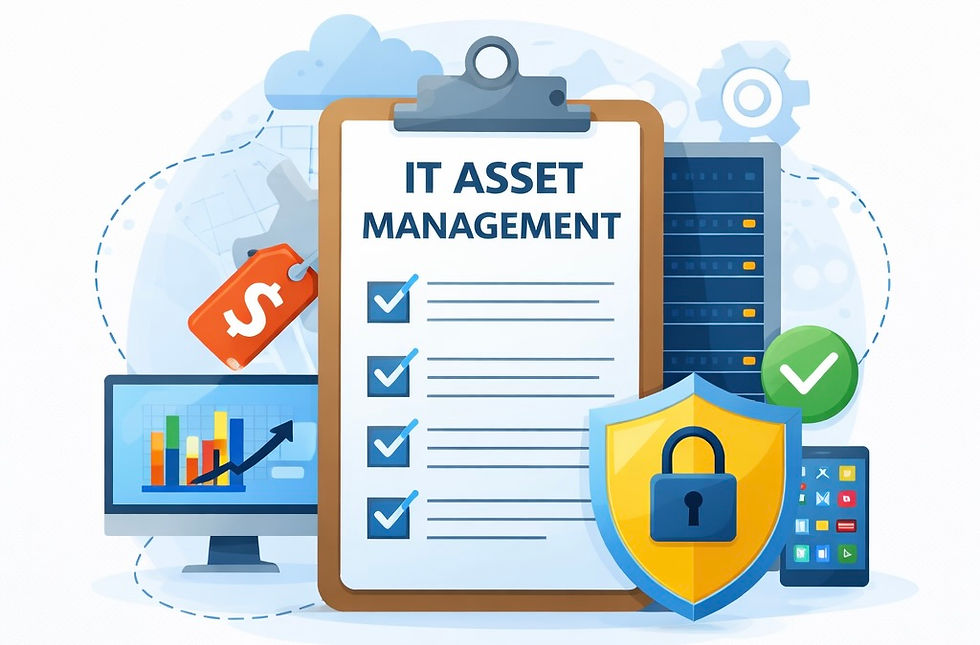
Regular IT audits help businesses identify all active SaaS subscriptions. This inventory reveals duplicate tools, unused licenses, and potential security gaps. Centralizing software management allows IT teams to control access, enforce policies, and negotiate better pricing.
Implementing tools for SaaS management services can automate tracking and reporting. This gives businesses a clear picture of their software landscape and spending. It also simplifies compliance by ensuring all apps meet security and regulatory requirements.
The Role of MFA, SSO, and Vendor Reviews
Strong security practices reduce risks from SaaS sprawl. Multi-factor authentication (MFA) adds an extra layer of protection beyond passwords. Single sign-on (SSO) simplifies user access while allowing IT to control permissions centrally.
Regular vendor reviews ensure that software providers meet security standards and align with business needs. This process helps avoid risks from unreliable or outdated applications.

Why Regular SaaS Inventory Is Essential
Businesses should treat their SaaS stack like any other critical asset. Regular inventory checks help:
Identify redundant or unused subscriptions
Spot security vulnerabilities early
Ensure compliance with data regulations
Optimize software spending
Maintain control over user access
This practice supports strategic IT guidance and helps businesses grow without unnecessary risks.
Taking Control with IT SaaS Defense and vCIO Services
Managing SaaS sprawl requires ongoing attention and expertise. IT audits and assessments provide a clear starting point. IT SaaS defense strategies protect against shadow IT risks and security gaps. Virtual CIO (vCIO) services offer strategic guidance tailored to business goals.
By partnering with experienced IT professionals, growing businesses can reduce hidden costs and build a secure, efficient software environment. Contact us today!


SaaS sprawl is a challenge that many growing businesses don't fully recognize until it starts affecting productivity, security, and operational costs. Introducing new software across multiple teams requires more than technical implementation—it also requires clear communication so employees understand how and why each tool should be used. That's why many B2B SaaS companies partner with a corporate video agency to create onboarding content, internal training videos, and product explainers that simplify adoption. Well-produced educational videos can reduce confusion, improve engagement, and help organizations get more value from the software they invest in.