

IT Procurement Mistakes That Cost Growing Businesses Time and Money

Growing businesses often buy technology as immediate needs arise. When a new employee joins, a department needs software, or a server shows signs of strain, the natural response is to purchase what seems necessary at the moment. This reactive approach to technology procurement can lead to inconsistent buying patterns that increase costs, complicate support, and create security risks. Instead, strategic IT procurement should be part of building a scalable IT environment that supports growth smoothly and efficiently.
What Is IT Procurement?
IT procurement refers to the process of acquiring technology products and services that a business needs to operate. This includes business IT equipment such as computers, servers, networking devices, software licenses, and cloud services. It also covers contracts for maintenance, support, and upgrades.
IT procurement is more than just finding the lowest price. It involves understanding the company’s current infrastructure, future needs, compatibility requirements, and total cost of ownership. Choosing the right technology means balancing upfront costs with long-term value, support, and security.
Common IT Procurement Mistakes Growing Businesses Make
Many growing businesses make avoidable errors when purchasing technology. These mistakes often lead to wasted money and operational headaches:
Buying equipment without considering existing infrastructure For example, purchasing new servers that don’t integrate well with current systems can cause delays and extra costs.
Allowing departments to choose their own hardware or software This creates a patchwork of devices and applications that are hard to support and secure.
Purchasing based primarily on upfront price Cheaper options may lack warranties, support, or scalability, leading to higher costs later.
Failing to plan for warranties, support, upgrades, and replacement cycles Without a clear plan, businesses face unexpected downtime and expensive emergency replacements.
The Hidden Costs of Inconsistent Technology
Inconsistent technology procurement creates hidden costs that often go unnoticed until problems arise:
More time required to troubleshoot different devices and configurations: IT teams spend extra hours managing incompatible hardware and software.
Duplicate or unnecessary software subscriptions: Without centralized control, multiple departments may buy overlapping licenses.
Compatibility and integration problems: Systems that don’t work well together slow down workflows and frustrate users.
Increased training and administrative requirements: Employees need extra training to use varied tools, and IT staff must manage diverse assets.
How Poor Procurement Can Create Security Risks
Security risks increase when IT procurement is unplanned or inconsistent:
Unsupported or outdated hardware and software: Older devices may no longer receive security patches, leaving vulnerabilities open.
Devices that do not meet company security standards: Purchasing consumer-grade equipment instead of business-grade hardware can weaken defenses.
Unapproved applications and unmanaged technology: Shadow IT, where employees use unauthorized apps, creates blind spots for security teams.
Difficulty maintaining consistent security policies: Diverse technology stacks make it hard to enforce updates, access controls, and monitoring.
Why Technology Standardization Matters as You Grow
Standardizing approved hardware, software, and configurations simplifies IT management in several ways:
Easier onboarding: New employees get familiar tools that work consistently across the company.
Simplified maintenance: IT teams can focus on fewer platforms, reducing troubleshooting time.
Stronger security: Uniform systems allow consistent application of security policies and updates.
Future expansion: Standardized technology scales more smoothly as the business grows.
How IT Procurement Services Improve the Technology Lifecycle
Using professional IT procurement services helps businesses avoid costly mistakes and build a scalable IT environment. These services:
Assess business and technical requirements before purchases: They ensure technology fits current needs and future plans.
Select compatible, business-grade technology: This reduces integration issues and improves reliability.
Coordinate licensing, warranties, deployment, and replacement planning: Managing the full lifecycle lowers unexpected costs and downtime.
Connect procurement decisions to the company's long-term IT strategy: This alignment supports growth and security goals.
Build a More Scalable IT Environment
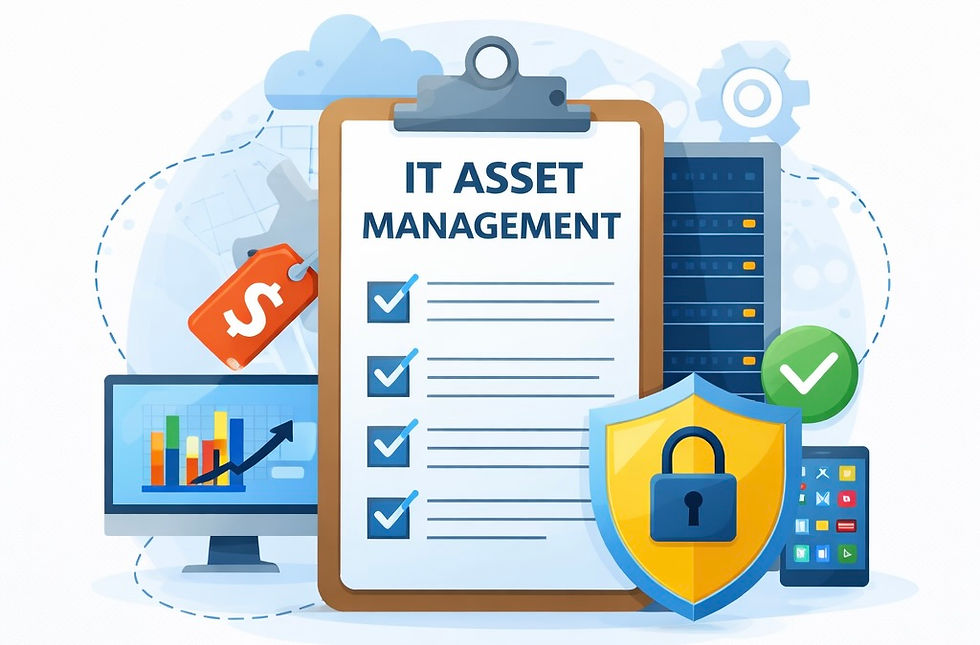
Planning technology purchases strategically saves time and money while reducing risks. Instead of reacting to immediate needs, businesses should adopt a structured approach to IT procurement. This includes using IT procurement services to manage IT hardware procurement, software licensing, and IT asset management.
A well-planned procurement process prevents the pitfalls of Shadow IT, where employees bypass official channels and introduce unmanaged technology. By controlling purchases and standardizing equipment, companies build a strong foundation for growth.
Taking control of technology procurement today means fewer surprises tomorrow. Start by evaluating your current IT purchasing habits and consider partnering with experts who can guide your business toward a scalable, secure, and cost-effective technology environment. Contact Shadow IT Services today!


Comments